
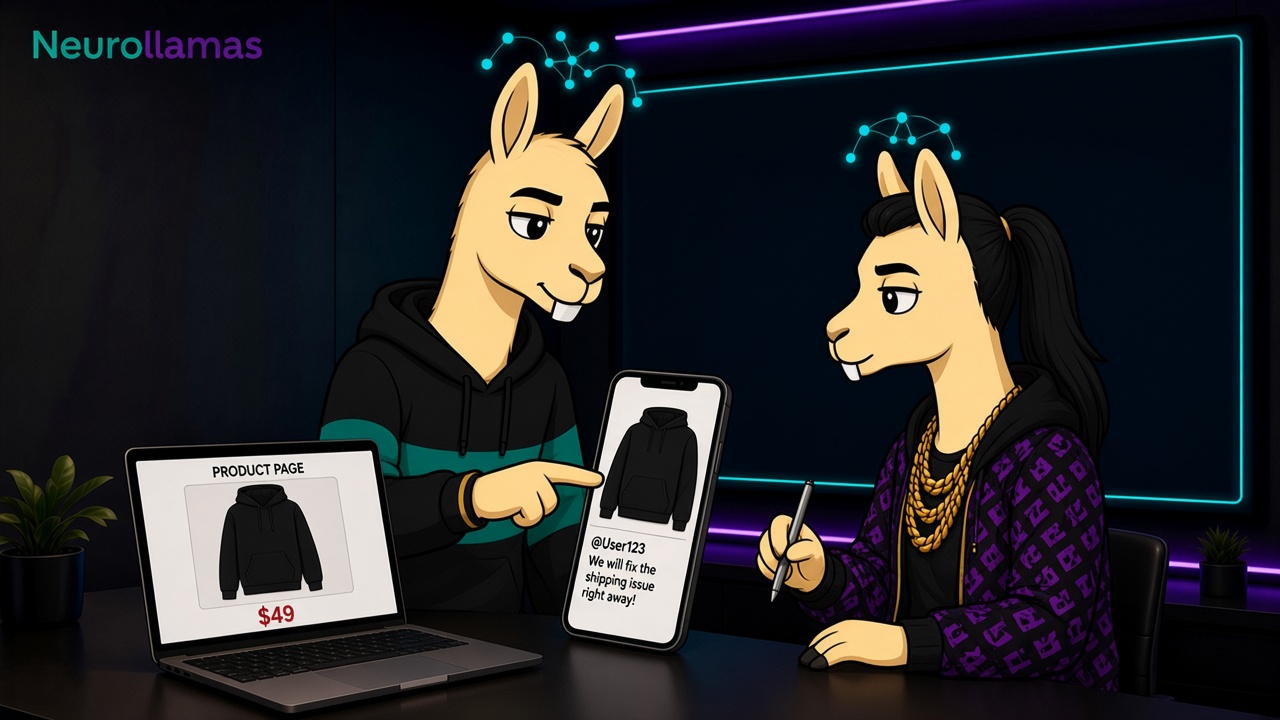
A comment is a public DM with an audience. When someone asks “does this come in oak?” under a Reel, every later viewer sees whether your shop answers, dodges, or disappears. Product shops that only “engage” with hearts leave the real question sitting there. Product shops that write a novel in the thread teach no one the path to the page.
The private half of this work is already in DMs that convert. Use this guide for the comments that should stay in public because the next person has the same question. Then move the person who is ready toward the product page, not toward a longer chat.
Sort comments before you get charming
In the first pass, label each comment as one of four:
- Fact: price, size, material, stock, ship zone.
- Ready: “how do I order” or “I’ll take the sand one.”
- Praise: a compliment with no question.
- Noise: spam, bait, or a fight that is not about the product.
Answer facts and ready buyers first. Praise can wait an hour. Noise does not get a witty brand reply that drags the thread off the product. Hide or delete what is spam. Do not argue with a stranger about a claim you did not make.
Answer a fact in public with the page’s words
The reply has two sentences at most:
- The fact, copied from the page or the size frame.
- Where that fact lives: “It’s on the oak lamp page” or “Sizes are in the Highlights.”
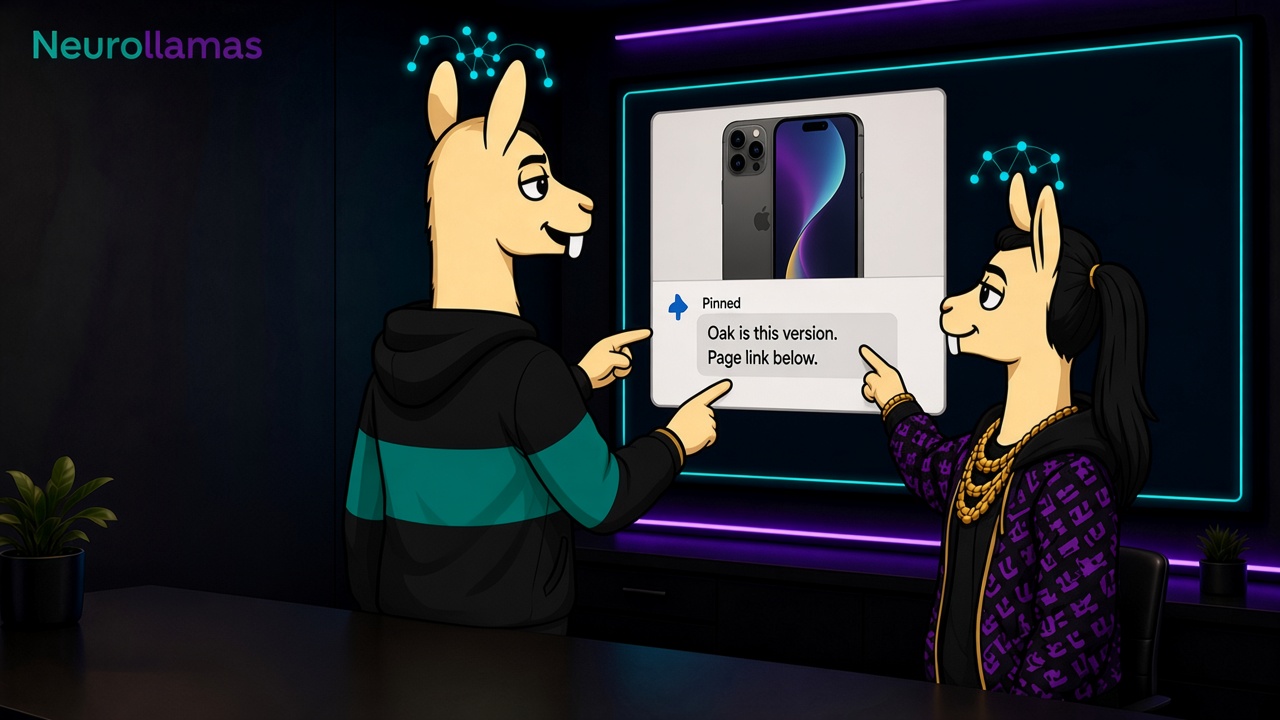
Good: “Oak is this version. The black one is a separate page, linked under the caption. Both ship from Portland in two business days.”
Weak: “Yessss queen, DM me!!”
The weak reply hides the answer from everyone still reading and adds an inbox task. If the caption already holds the buyer phrases from captions that rank and sell, the comment should sound like that caption’s shorter sibling. Same shop. Fewer words.
Move a ready buyer without pretending the comment is checkout
Instagram is not your cart. When someone wants the item, reply with the exact next step you can fulfill today:
- “The sand cap is on this page: [path you also put in the bio]. Checkout works there.”
- “Commenting ‘sand’ does not reserve it. The page does, while stock lasts.”
- “If you need a wholesale quantity, email is in the bio. This thread is for single orders.”
Keyword games (“comment MINE and we’ll invoice”) fail small shops that cannot monitor the thread all night. Only use a keyword if a named person will process it the same day, and if the keyword matches real stock. Otherwise you have promised a queue you do not have. The same warning sits inside the DM guide. It is stricter in public because the promise is visible.
Keep a reply card of ten lines
You should not invent tone while you are tired. Write ten lines that match the brand kit and store them on the brand profile:
- Price: “This one is [price] on the page. I won’t quote a different number here.”
- Sold out: the one-liner from the sold-out post.
- Size: the measurement line from the public size frame.
- Ship zone: the boundary, including where you do not ship.
- Lead time: the real number of days.
- Materials: the fact, plus “not” if people confuse it with a similar product.
- Wholesale: where to go, or “not offered.”
- Wrong product: “That color is a different listing. Here is the name.”
- Compliment: one warm line and stop. No follow-up question you do not mean.
- Delay: “I’m checking stock and will reply in this thread today.”
Helpers may paste and fill blanks. They may not add a discount to calm a comment. A public discount invented in a thread becomes the price everyone else expects.
Set a clock that matches the post’s job
A launch post needs eyes for the first two hours, because stock questions pile up while people decide. An evergreen care post can wait until the next working block. Write the rule:
- Launch and offer posts: check comments three times on day one.
- Teaching posts: one pass the same day, one pass the next morning.
- Anything older than two weeks: reply only if the question is still true. If the product is gone, say so and do not resurrect a dead link.
A late honest reply beats a fast wrong one. If you need to check a shelf, say you are checking, then come back. Silence after “I’ll check” is the failure people remember.
Do not argue a buyer into a purchase
Some comments are hesitations. “Looks small.” “Is the glaze food safe?” Answer the fact. Do not pile on pressure: “You’ll regret missing it.” Pressure in public reads as a shop that needs the sale more than the buyer needs the object. If they still hesitate, the page and the detail photo have to do the rest. Your reply already did its job.
If a comment accuses you of a false claim, do not delete it as a first move when the claim might be fair. Correct the record in the thread and correct the caption if you were wrong. Quiet deletion of a sizing complaint, while the wrong caption stays up, is how a shop loses the people who were still deciding. Praise can be left alone. A factual mistake should be visible as fixed.
Use the thread as a brief, then stop mining it
Once a week, read the fact comments and ask which question still has no public frame. That question becomes the next size, care, or shipping post in the library that cuts DMs. You are not looking for content ideas in the abstract. You are looking for a hole in the public facts.
Do not build a whole Reel around one rude comment. Outrage is a bad product brief. A repeated oak-versus-black question is a good brief. Note it, answer it in the thread today, and give it a proper frame this week if it keeps returning.
Protect the voice when the thread gets fast
Fast threads tempt slang you do not use on the page. Read the reply next to the shop sentence before you send it. If the page would not say “bestie,” the comment should not either. Consistency is the same rule as everywhere else in this cluster: one shop, including under your own posts.
Emoji can mark a line. A string of them instead of the price is evasion. The price is allowed to be said in public. If you are not willing to say it, the caption should not have invited the question.
Measure replies the way you measure the inbox
Add two lines to the Monday card:
- Fact comments that you answered with a page path.
- Fact comments that turned into a DM anyway because the reply was unclear.
If everything falls into the inbox, the public reply did not include the fact. If nobody comments and nobody taps, the post may be the wrong problem, and the card will show that too. Do not buy comment pods or ask friends to write “love this” to decorate a quiet post. Empty praise makes the real question harder to see.
Instagram’s tools for hiding or restricting comments are there for abuse, not for avoiding a size question. Use the product’s own help when you need the buttons, starting from Instagram Help, and keep your policy boring: facts get answers, abuse gets removed.
Pin only what the next viewer still needs
A pinned comment is a tiny bio for that post. Pin the fact that keeps getting asked, written as the two-sentence reply, not a joke and not a second discount. If the pinned line still says a size you changed, unpin it the same day you change the page. A pin that lies is worse than no pin, because people trust it more than the caption.
When a post is no longer the hero, unpin and let the thread rest. Old pins that shout a dead offer keep training buyers to hunt for a code. The current hero’s pin should match this week’s product, the way the bio matches the grid. One pin. One fact. Then get out of the thread.
Leave the thread cleaner than you found it
Before you close the app, the newest fact question should have the two-sentence reply, and the newest ready buyer should have the real path. That is the whole job. The comment section becomes a small public desk: same facts as the page, same voice as the caption, no secret offers.
Shops that answer this way look attended. Shops that only collect hearts look like a broadcast. You are running a product shop. The people typing underneath the photo are already closer than a new reach number. Meet them with the fact, then show them the door.