
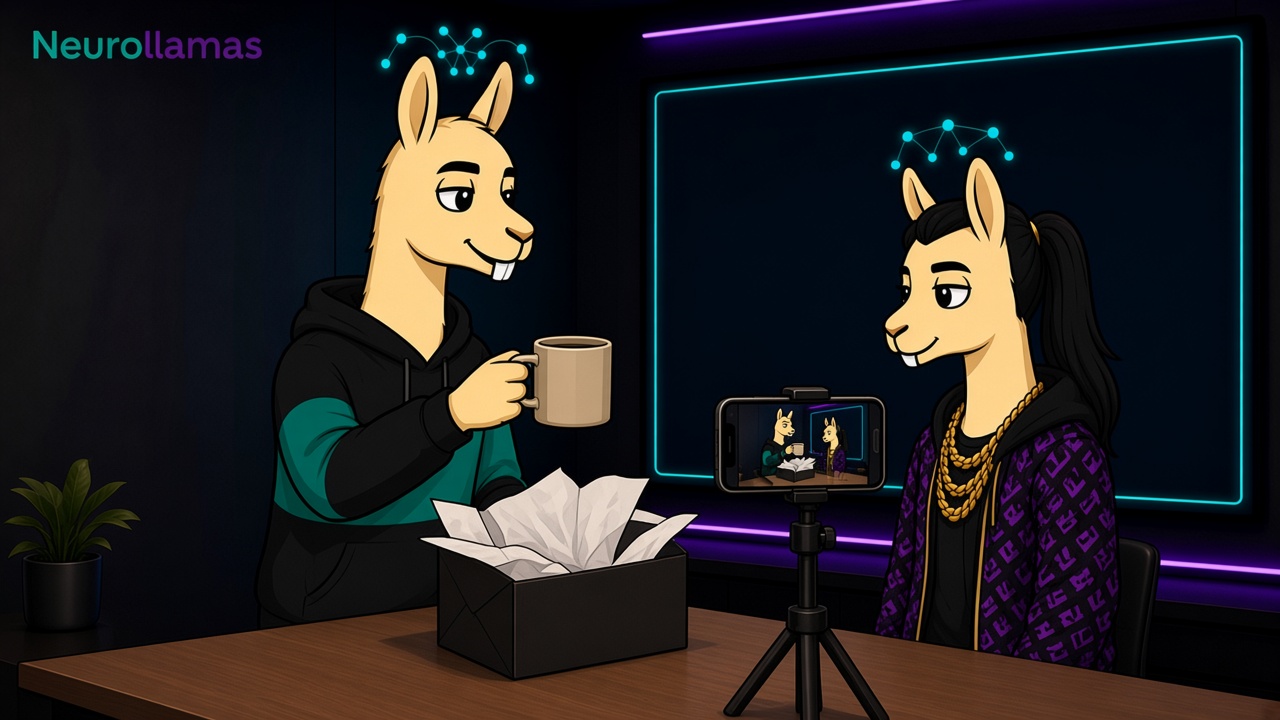
An unboxing Reel is a proof video. It shows what arrives, what the object is made of, and whether the shop packs like it cares. It is not a personality test, and it does not require a creator who films in a rented kitchen. A small product shop can shoot the open on a table it actually owns, with hands it is allowed to show, and with the same product that is on the page.
The format sits next to UGC-style Reels without creators and the sound rules in Reel audio that sells. Those pieces cover voice and credibility. This one is the box, the tissue, the pause on the product, and the mistakes that make a packaging video look like an ad for a different brand.
Decide what the open is supposed to prove
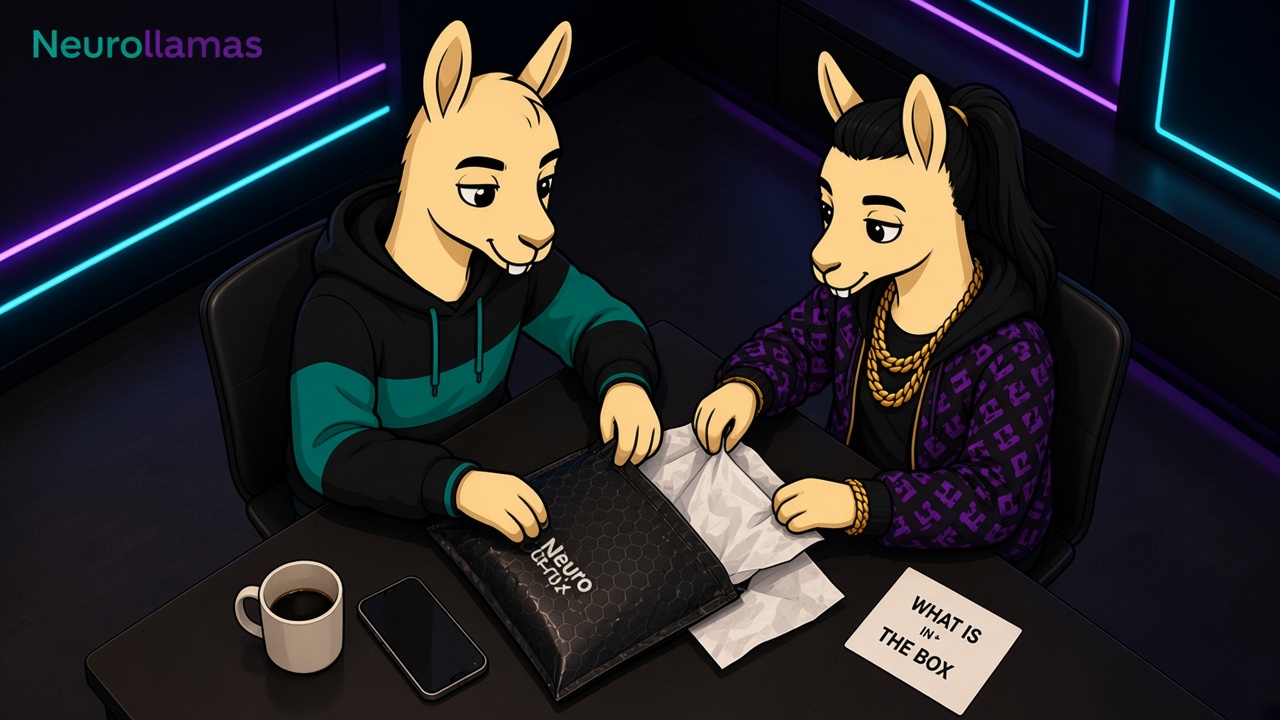
Pick one proof before you set the phone down:
- What is in the box: object, spare part, note, and what is not included.
- How it is protected: a material or a fit that prevents damage.
- The first five seconds of use: the clasp, the pour, the cap, the fold.
- Scale: the object next to a familiar thing so size is obvious.
One proof per Reel. A tour of your brand story, a coupon, and a dance is three videos. The packaging open only has to make a buyer say “that is the thing I saw on the page, and I understand what will arrive.”
Use the real pack, not a hero box you do not ship
Film the mailer, tissue, seal, and card you actually use this month. A prettier box that only exists for the camera is a false specification. People will ask for it in comments, and you will either eat the cost or explain yourself. If you are changing packaging, film the new one only after it is the one fulfillment uses.
Keep inserts honest. A handwritten note is fine if notes really go out. A slogan card full of claims you have not proved is not required. If a card names a material, it must match the brand kit and the page. Store that line on the brand profile so the note, the caption, and the carton do not each upgrade the product.
Write a six-beat shot list you can shoot in one take
You do not need coverage for an editor you do not have. Six beats are enough:
- The closed pack on the table, label readable.
- Hands opening it. No rush.
- The product lifted out and held still for a full second.
- One detail: stitch, glaze, nozzle, grain.
- The one action that proves use, if that was the goal.
- The product set down, recognizable, as the last frame.
The still second is where shops fail. They swipe past their own product to get to a face. Hold the object. The Reels that sell workflow is the same idea: the product has to survive with the sound off. If you need a face for trust, use the person on the character sheet or a real staff member you can film again. Do not generate a new unboxer who will never appear twice.
Light the table like the catalog, not like a launch party
The buyer is comparing this frame to the hero photo. If the catalog is soft and neutral, the unboxing table should not be a colored gel and a nightclub corner. Use the setup notes from the SKU session when you have them: same family of background, no surprise recolor.
Phone cameras want to warm everything. Check the product color against the real item before you post. A mug that turns green in the Reel and gray on the page creates the exact DM you were trying to avoid. Fix white balance while you are still at the table.
Put sound under the action
The open has natural sound: paper, a lid, a clasp. That sound is often better than a trend bed that buries it. Record a clean take in a quiet room. Add music only if the product stays readable and the paper is still audible, following the audio guide. You can build a short bed in Sound Lab after the silent cut already makes sense.
Voice, if you use it, says one fact: what is in the box, or the size, or the care line. It does not narrate your childhood. On-screen text should be the same fact, because many people will not hear you. Match those words to a caption a searcher could use, as in captions that rank and sell.
Say whose hands and whose product
If this is your pack, shot by you, say so in the caption in plain language: “Packed in our studio” or “This is the mailer we ship.” Do not imply a customer filmed it. If a real customer did film it and you have permission, say it is theirs and keep their claims inside what they actually said.
Invented testimonials are the fast way to make an unboxing look like every other ad. The FTC endorsement guides are written for this exact blur. You can stay well clear of the line by filming your own table and making no claim that a customer “loves the unboxing” unless a customer said that and you can show it.
Cut anything that hides the product
Remove these in the edit, even if the take felt lively:
- A long approach down a hallway.
- A text card that covers the object at the moment it appears.
- Extra products that are not in this box, dropped in for “a haul.”
- A price shout if the page price is different.
- Any shot where the product is out of focus and the tissue is sharp.
Finish the cut in the video engine or from a clean phone file, then check the first frame as a thumbnail. The closed pack or the held product should be readable at grid size. A black frame with a tiny play icon does not tell a shopper anything. Preview it in Instagram UI beside the hero still so the row agrees.
Publish it next to the page it proves
The caption’s last line goes to the product that was in the box, not the homepage. The bio should agree for at least that day if this Reel is the hero, which is the rule in the bio guide. If the Reel shows a spare part you do not include, the caption must say “not included” in the first two lines. Do not hope they watch to the end.
Reply to “what’s in the box?” with the same list, using the comment replies. If people ask for a detail the video skipped, add one still to the product page rather than filming a second unboxing that contradicts the first.
Make a repeatable pack video, not a series you dread
You need one good open per product family, refreshed when the mailer changes. You do not need a weekly unboxing of the same mug. Repeat the existing Reel in Stories during a launch week. Shoot a new one when the box, the insert, or the product truly changes.
Keep a folder: final cut, the six-beat list, and the on-screen words. Next time, a helper can reshoot in an hour because the beats are known. That is the same spirit as a monthly batch: the creative is a procedure. The product stays the subject.
Film extras only for the page, not for a second personality
While the table is lit, grab one extra still of the open pack and one of the detail you held in the video. Those stills belong on the product page and in a Story, not in a new Reel with a different joke. The point of the session is a matched set: the moving open and the still that proves the same box. Name the files with the SKU, the way you would after a photo session, so fulfillment and the feed are looking at one pack.
If the take fails because the room was noisy or the color shifted, do not post the almost version and promise to fix the vibe later. A quiet retake the same day is cheaper than a week of comments about a product you do not ship.
Judge the Reel by recognition and questions
On the metrics card, this video worked if people who watch it can name the product and if “what arrives?” messages go down. It did not work, even with a view spike, if the comments ask what the item is or claim the color was different. Reshoot the hold, or fix the white balance. Do not add a louder track to compensate.
A packaging Reel is a promise about a parcel. Film the parcel you send, hold the product still, and let the sound of the open stay in the mix. Shops that do that look careful. Careful is a sales argument, and you do not have to hire anyone to perform it.