
A product Reel can show the right object and still fail because the sound is doing a different job. A trending chorus covers the clasp click. A joke audio makes a careful skincare demo feel like a skit. The viewer remembers the song and forgets the product.
This guide is a sound system for shops that sell physical things. It covers when to use music, when to use a voice, how to keep levels intelligible, and how to stop borrowing audio that fights the offer. Cut the picture in the video engine, then build the bed in Sound Lab only after the silent version already makes sense.
Picture and hook rules live in AI Reels that actually sell. Read that first if the motion itself does not prove anything. Sound cannot rescue a Reel that never shows the product.
Decide what the sound is supposed to do
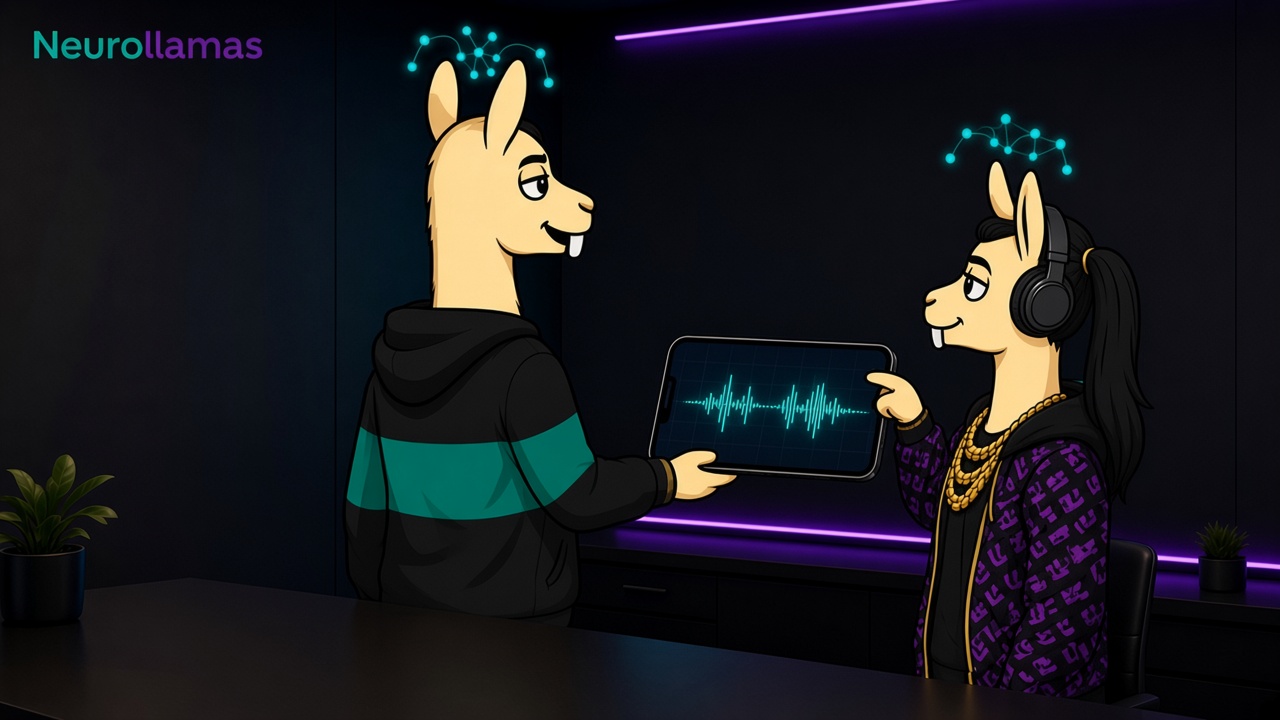
Every product Reel needs one audio job. Pick it before you open a music library.
- Demonstrate. The sound is evidence: a zipper, a pour, a click, a quiet room, a voice naming the fact.
- Set pace. Music keeps a simple sequence moving when the product action is slow but real.
- Carry a sentence. A short voiceover states the use, the size, or the offer when the picture cannot.
- Stay out of the way. Some frames only need room tone. Silence under a clear on-screen line is allowed.
Trending audio is a distribution bet, not a product strategy. Use it when the joke or the lyric truly fits the item and you still have a way to show the product in the first seconds. If the trend requires a face you do not have, or a punchline that mocks the buyer, skip it. The native format in UGC-style Reels without hiring creators depends on sounding like a person in the room, not like an ad laid over a chart song.
Start from a silent cut
Edit the Reel with the sound off. If a stranger can tell what the product does from the pictures and a few on-screen words, you have a spine. If the silent cut is confusing, no track will clarify it. You will only hide the confusion under a beat.
Mark three moments on the timeline:
- The hook frame, usually inside the first two seconds.
- The proof moment, when the product does the thing you are selling.
- The offer or next step, if this Reel is supposed to send people somewhere.
Those moments decide the mix. The proof moment should be audible if sound is part of the proof. A “quiet close” that is actually a vacuum motor needs the motor, not a piano cover of a pop song.
Choose music that leaves room for the product
Useful beds for product shops share a few traits. They are instrumental, or the lyric does not contradict the product. They sit in a narrow dynamic range so they do not spike over a voice. They match the pace of the action: a slow pour does not need a drum fill every second. They do not impersonate a famous artist so closely that the viewer thinks they are watching someone else’s clip.
Write a one-line music brief the way you would write a visual brief:
- Tempo: held, walking, or quick.
- Mood in concrete terms: dry and close, warm and small-room, bright and simple. Not “viral.”
- What must remain audible: voice, product sound, or both.
- Length: the Reel’s real length, plus a little tail for the end card.
- What to avoid: lyrics about a different product, comedy stings, distorted bass that muddies speech.
Generate two or three options in Sound Lab and listen to them against the silent cut, not in a separate playlist. The track that feels best alone is often the one that loses the product. Keep the brief next to the winning file so the next SKU does not restart from “make it catchy.”
Original audio is a brand asset
A short original bed can be reused across a product line the way a color is reused. That repetition helps people recognize the shop when the video is muted in a feed and then unmuted later. It also avoids building the month on audio you may not be allowed to run as an ad, or that disappears when a license changes. Confirm current music rules in Instagram’s Help Center before you promise a soundtrack in a paid boost. Platform rules move. Your product sound should still be yours.
Use voice when a fact needs a mouth
Voice belongs in the Reel when the picture cannot carry a number, a warning, or a how-to step. Keep it spoken. “This lid fits a standard jar and the seal is replaceable” is a line. “Unlock your best self with our iconic essential” is a slogan the viewer has already learned to ignore.
A workable voice track is one to three sentences, under the length of the cut, with the product name or the job in the first sentence. Record in a quiet room, close to the mic, and leave a little air at the start so the hook frame can breathe. If a founder or staff member is the recurring host, lock that person’s look in the character sheet and keep the voice consistent with the face rules in brand character consistency for Reels. A new voice and a new face every week feels like a different shop.
On-screen text should match the spoken line, not add a second message. Captions for sound-off viewing are the same words, shortened if needed, not a different joke.
Mix so the proof survives a phone speaker
Most people hear the Reel on a phone in a noisy place, or they watch muted and only unmute if the opening earns it. Mix for that, not for studio monitors.
- Voice sits clearly above the bed. If you have to strain, the bed is too loud.
- Product sounds that are the point, such as a click or a pour, get a brief pocket. Dip the music for less than a second rather than competing.
- Avoid heavy low end. Phone speakers turn it into mud and hide speech.
- Do not normalize so hard that room noise pumps behind the voice.
- Check the last second. A jarring cutoff feels unfinished and clips the offer line.
Listen once on phone speakers in the shop, not only on headphones. If the product name disappears, remix before you publish.
Pair sound with the caption on purpose
The caption should not repeat the entire voiceover and it should not contradict it. A useful split: the voice names the demonstration, the caption adds the search phrase, the detail, and the next step. That keeps the Reel native and still gives the caption system something to rank. If you used original audio, the caption can say what the sound is demonstrating in plain language. Do not hide the only facts inside an audio track some viewers will never turn on.
Build a small sound library for the shop
You do not need a new composition for every post. A small library is easier to stay on-brand with:
- One bed for demos.
- One quieter bed for process or packing.
- One short sting for an offer end card, used rarely.
- Two or three clean product sounds you recorded yourself: pour, close, fabric, unbox.
- A voice template: same person, same distance, same kind of sentence.
Name files by job, not by mood word. “demo-bed-held-01” is findable. “chill vibes final FINAL” is not. Store the notes beside the visual rules on the brand profile so the next person does not pick a club track for a ceramic mug.
Run a five-point listen before you post
- Muted, the picture and on-screen line still explain the product.
- On a phone speaker, the voice or the proof sound is intelligible.
- The lyric or the trend does not mock, overclaim, or describe a different item.
- The offer at the end is audible or visible, and it matches the product page.
- You have the right to use the audio in the way you are publishing it.
If a point fails, change the sound before you chase a new hook. Most “the Reel flopped” reviews never listen to the mix.
Compare two briefs on the same cut
A weak brief sounds like this: “upbeat trending audio, luxury vibe, make it pop.” Played under a soap demo, it adds a chorus about a night out and a bass hit on the pour. The viewer laughs or scrolls. Neither response is about the soap.
A usable brief for the same cut: “Instrumental, held tempo, small-room, no lyrics. Dip under the pour. Keep a one-sentence voice that says the bar lasts about a month in a single bathroom. No comedy sting. End quiet under the Friday pickup line.” You can accept or reject a take against that sentence. You cannot accept or reject “luxury vibe.”
Save rejected takes with a reason, the way you save rejected photos. “Bass covered the pour” teaches the next session. A folder of unnamed mp3s does not.
Know when to leave the trend alone
Use a trend only if you can answer yes to all of these: the product is visible during the joke, the lyric does not embarrass the buyer, you can still say the fact with on-screen text for people with the sound off, and you are allowed to use that audio for the way you are posting. If any answer is no, use the shop’s own bed. You will lose a few impulse views and keep the people who came to see what you sell.
Shops that sell in person should also listen for store noise. A Reel filmed at the counter can keep a little of that room if it makes the place feel real. It should not keep a private customer conversation or a card machine beep that belongs to someone else. Product sound is not an excuse to record people who did not agree to be in the clip.
Put sound on the production board
Add an audio column to the weekly Reel board from the selling-Reels guide: job, source, voice or not, and whether the bed is from the library. During a launch week, reuse one bed so the series feels like a series. The one-week launch plan gets harder to follow when every day has a different genre.
Cut the picture in the video engine, keep the host stable with the character sheet, and add the bed in Sound Lab from a written brief. Then listen on a phone in the room where you pack orders. If the product survives that listen, the soundtrack is doing its job.
The rest of the video system is in Neurollamas Mag. Sound is part of the product story. Treat it with the same care as the label.