People do not read an Instagram bio for poetry. They open a product shop’s profile to answer three questions: what is this, is it for me, and where do I tap. If the bio is a list of moods and the link is a pile of buttons, the first 30 days can look busy and still fail. The grid did its job. The door did not.
This is the door. It deepens the profile step inside that first-month plan and the findability work in Instagram SEO for local shops. It is not a redesign of your whole brand. It is five lines and one URL you can defend.
Name the shop the way a buyer would search
The name field is a search field. If you sell linen aprons in Lisbon, “Linen aprons · Lisbon” beats a coined word that needs a paragraph to explain. You can keep the coined word as the handle if you already printed it. Put the plain product in the name or in the first bio line so Instagram search and a human can both land.
Check the name against Google and against your page title. A shop that is “North Studio” on Instagram, “North Studio Home” on the site, and “North” on the bag is three shops. Pick one public name and repeat it. Local shops should use the same neighborhood or city words they use on their map listing, which is the point of the local search guide.
Write one sentence a stranger can repeat
Line one of the bio is the shop sentence from the brand kit, shortened until it fits on a phone without a tap:
- What you sell, in buyer words.
- Who it is for, if that is not obvious.
- Where you ship or which city you serve, if that changes the buy.
Examples that do the job:
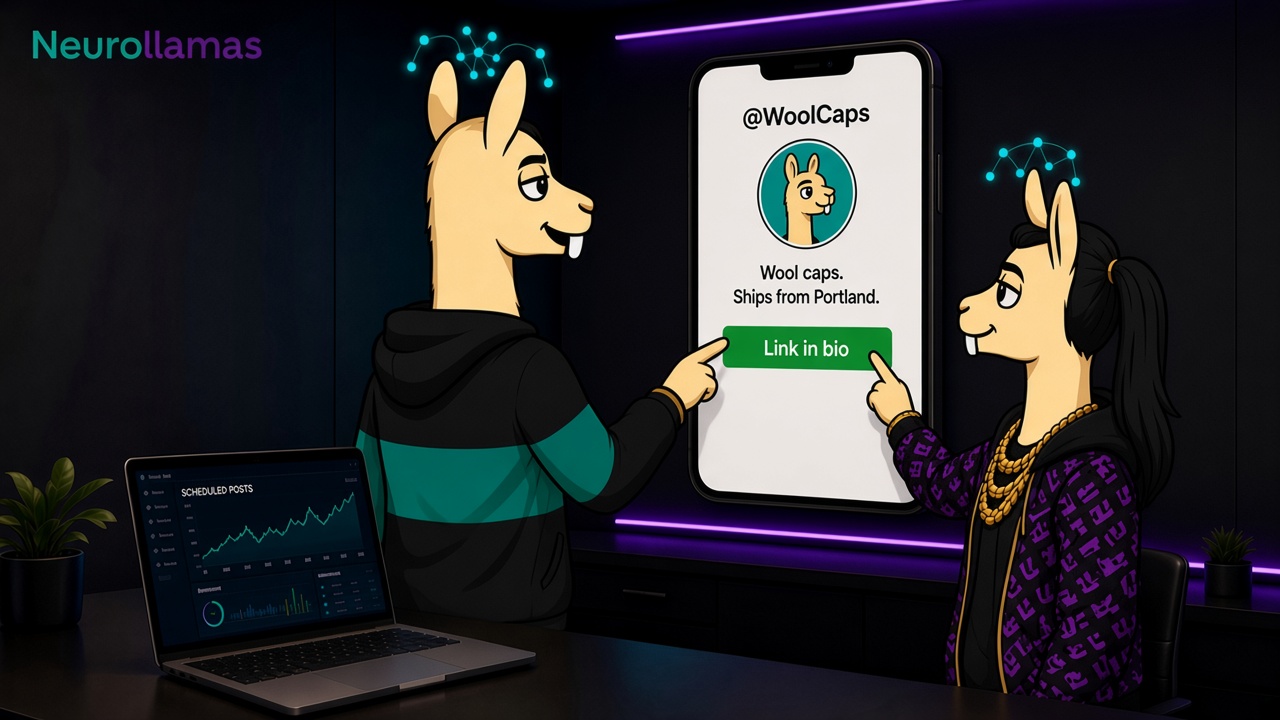
- “Wool caps, knit in small runs. Ships from Portland.”
- “Desk lamps for small apartments. EU delivery.”
- “Refillable soap for cafes and home. Toronto.”
Examples that waste the line:
- “Creating moments.”
- “DM for blessings.”
- “Link below ↓ ↓ ↓” with no product.
If you cannot say the product in the first line, the rest of the profile is a guessing game. Save the finished sentence on the brand profile so Stories and the page do not each invent a new one.
Use the other lines for facts, not slogans
After the sentence, you have room for two facts that stop DMs:
- A shipping boundary: “Ships US” or “Pickup in Shaw only.”
- A category boundary: “Women’s sizes 24–32” or “Parts, not finished bikes.”
- A trust line you can prove: “Made to order, 10 days” if that is the real lead time.
Do not stack five emojis as a second language. One mark to separate lines is enough. Do not put a discount code in the bio as a permanent resident. A code that lives there forever trains people to ignore full price, which is the problem the discount post guide is written to prevent.
Give the profile one link
The link should open the thing this month’s grid is selling. If nine tiles are about one lamp, the link is that lamp’s page, not the homepage and not a list of every SKU you have ever made. Homepage links feel safe and then drop people into a menu. The matching product page is the page the bio is allowed to open.
When you sell many things at once, the link can be a short index of the current drop only: three products, three names, three buttons. It should not be a general “all links” page full of press, a playlist, and a wishlist. Those can live on the site. The bio has one job.
Test the link on a phone that is not logged into your shop admin. Look at the price, the variant names, and the button. If the bio says “shop the black cap” and the page opens on a hero banner with no black cap, fix the page before you touch the font in the bio.
Change the link when the grid changes
A bio is not a tattoo. Update the URL when the hero SKU changes, when a product sells out, or when a launch week starts. The owner is the same person who updates the page. Write it into the weekly board:
- Monday: confirm the link still opens the product the newest tiles show.
- Launch morning: switch to the launch URL before the first Story.
- Sold-out hour: switch to the waitlist or the sibling, using the sold-out rules.
A stale link is worse than a short bio. People forgive plain words. They do not forgive a button that dead-ends.
Make the highlights row agree with the bio
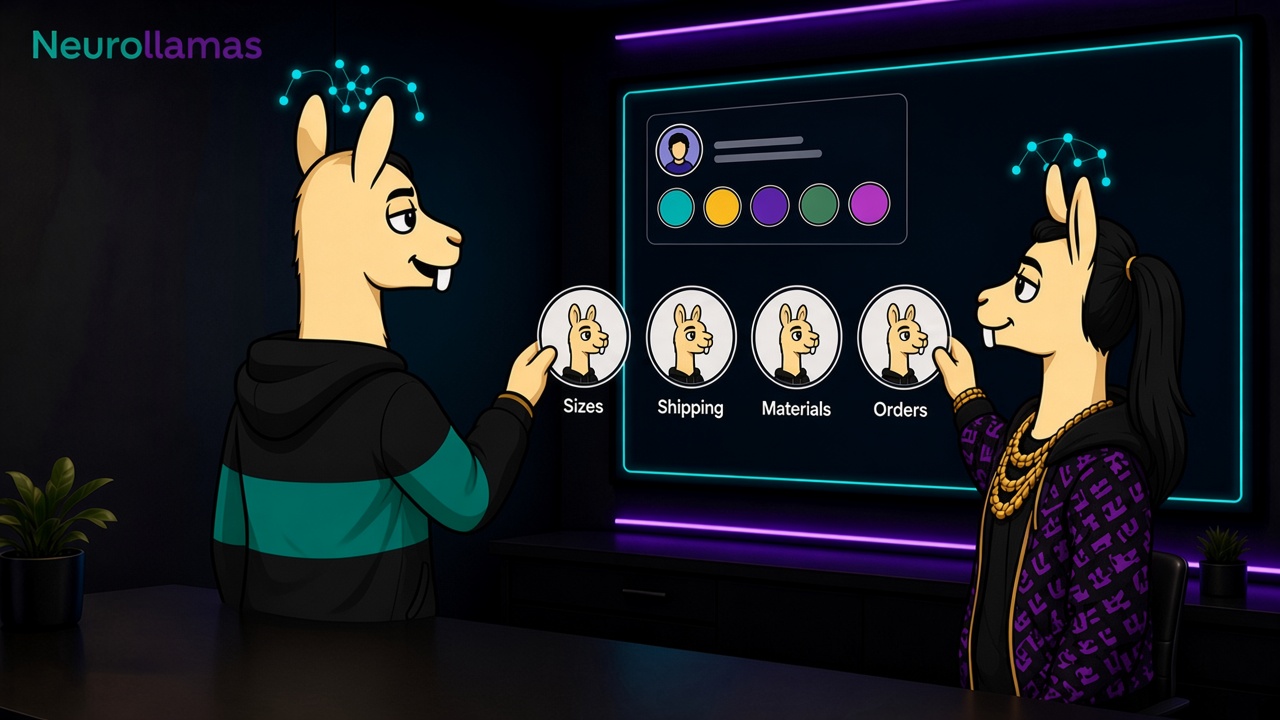
The bio says what you sell. The highlight covers should prove it in four or five words a thumb can read: Sizes, Shipping, Materials, Orders, The shop. Build those the way the Stories and Highlights guide describes, and do not add a highlight the bio never mentioned just because a template had a slot.
If a highlight is named “Vibe,” rename it to the fact inside it. Buyers scanning a new profile do not open vague covers. They open the word that matches their fear: size, delivery, ingredients, lead time.
Keep category and contact honest
Choose the Instagram category that matches the business: a shop, a product brand, or a local place. A wrong category does not ruin you, but a “Public figure” label on a lamp shop makes the bio work harder. Add a contact method you actually answer. If email is the path for wholesale, put the email. If wholesale is not for sale, do not write “collab?” as a hobby.
For a local shop, the address and hours belong where Google and Instagram can both see them. Do not make people DM for the street. The weekly habit in the local SEO piece still applies: the words in the bio, the captions, and the map listing should describe one shop.
Instagram’s own help center is the place to confirm which profile fields you can edit this month. Product rules move. Your sentence should not. When a field changes, check Instagram Help and then put the same facts back in the new boxes.
Look at the profile the way a stranger does
Before you publish a new bio, open the profile in Instagram UI or on a phone logged out. Ask four questions:
- Can you name the product without reading a caption?
- Does the link land on that product?
- Does the grid’s newest row agree with the sentence?
- Is there any claim you would not put on the page?
If the first answer is no, you do not have a bio problem only. The grid may be leading with a face, a quote, or a trend cover. Fix the newest three tiles so they show the thing the bio names. A clear bio on a confusing grid still loses.
Hand the bio to anyone who posts
Write the sentence, the link rule, and the two facts on one card. Anyone allowed to post should be able to check the card before they change the profile “just for this Reel.” A guest caption that rewrites the shop in the bio is how a one-week collab becomes the permanent description.
Review the card when the offer changes, not every time a post does well. Reach is not a reason to become a different shop. If a Reel brings people who want a product you do not sell, the bio should make that obvious in one second so those people leave cleanly. That is a kindness and a support saving.
Measure the door, not the cleverness
Once a week, write down:
- Profile visits from the posts you meant to send home.
- Link taps.
- The page those taps opened, and whether orders followed.
- DMs that asked “what do you sell?” or “where is the link?”
Those last DMs mean the sentence failed. Rewrite the first line. Do not add more hashtags to the bio to compensate. The metrics card already treats link taps as the honesty check. The bio is the thing those taps depend on.
A product shop’s bio is a label on a door. Name the product, name the boundary, and open one page that matches the grid. Then leave it alone until the product or the stock truth changes. That is a profile a stranger can use, and a profile the rest of this magazine can send people toward without apologizing.