
Product shops often treat the Instagram inbox as leftover work. Comments get heart reactions. DMs sit until evening. By then the buyer has asked three other shops the same question. The post did its job. The handoff failed.
This guide is the reply system after someone already cared. It assumes your grid and page are clear. If the profile still confuses strangers, fix the selling grid and the matching product page first. Clever DM scripts cannot save a shop that cannot explain itself in public.
The goal is not to move the whole sale into chat. The goal is to answer fast, stay on-brand, and send the buyer to a page that already holds the truth.
Decide what the inbox is for
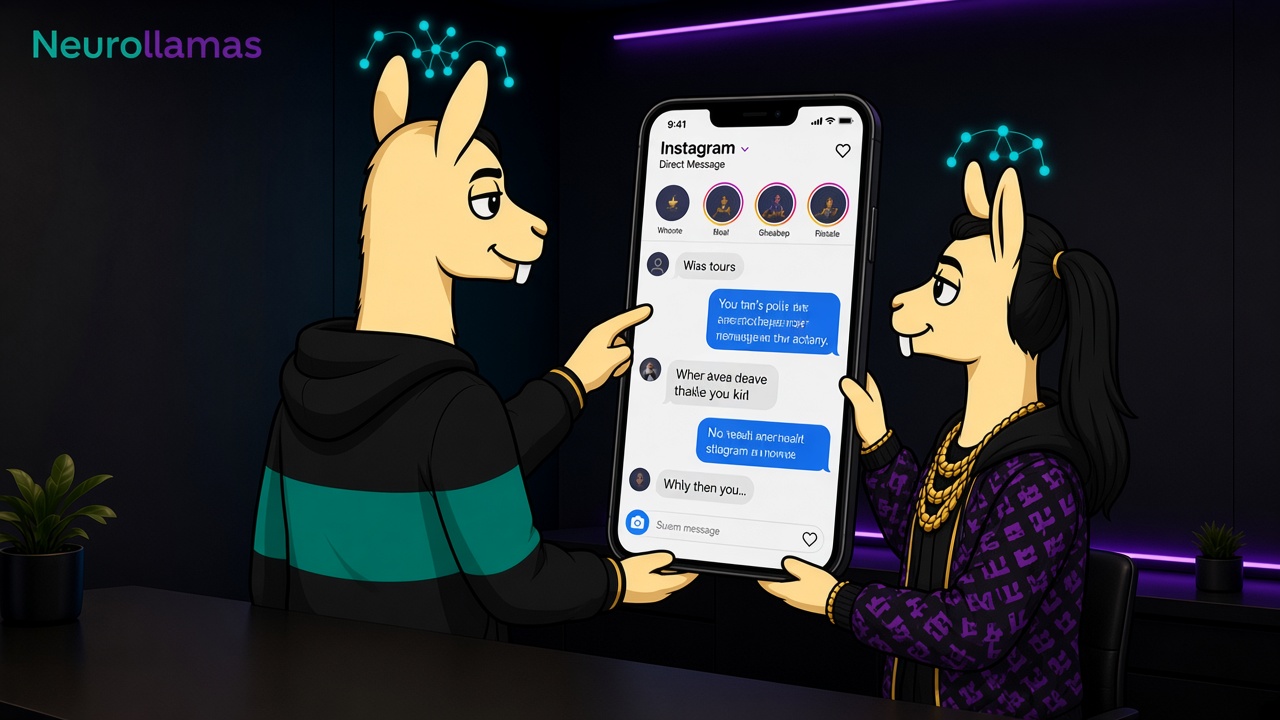
Write three jobs on a card:
- Clarify. Size, scent, material, shipping window, pickup hours.
- Confirm. Stock, price, and the link that matches the post they came from.
- Close the loop. Order confirmation language, or an honest “sold out / next batch” line.
Write three jobs the inbox is not for: renegotiating published prices, inventing custom claims, or becoming the only place the catalog lives. If a fact is asked twice, it belongs on the page or in Highlights from Stories and Highlights that sell.
Keep the same offer language as your brand kit. DMs that sound like a different company break trust even when the answer is correct.
Answer in public when the question is common
Comments are free merchandising. A good answer under a post helps the next ten readers. Move to DM only when the detail is personal: address, payment proof, or a fit issue that needs a photo.
Public reply pattern:
- Answer the fact in one sentence.
- Point to the page, Highlight, or carousel slide that holds the longer truth.
- Invite a DM only if a personal step remains.
Example shape: “Yes — the strap holds a full bottle. Specs are on slide three and on the product page. Message us if you need the pickup window for your area.” Short. True. Reusable.
Build five reply blocks, not fifty scripts
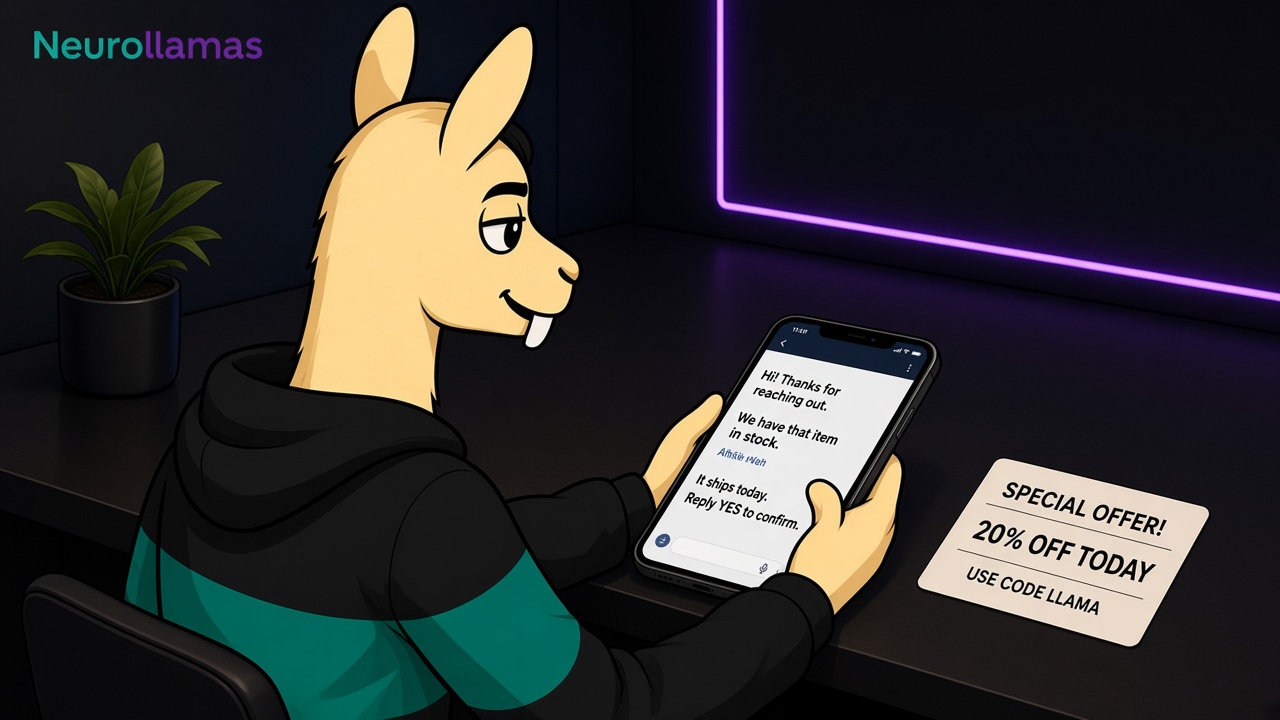
Most shops only need five blocks they can paste and personalize:
- Stock and variants. What is available now, what is next, what is not coming back.
- Fit or use. One honest limit so you do not oversell.
- Shipping or pickup. Times you can fulfill, not hopes.
- Price and bundles. Same numbers as the page. No secret DM discounts unless that is a written policy.
- Link handoff. The exact URL for the product in the post, plus what the button says on the page.
Store the blocks next to the brand profile so anyone who can reply uses the same facts. Update them when stock changes the way you would update a launch offer card in the launch week plan.
Personalize the first line. “About the blue tote from today’s post —” beats a cold paste. The block carries the facts. The first line proves a human saw their message.
Set a speed rule the shop can keep
Speed beats poetry. Pick a rule you can keep on your worst busy day:
- Serious buying questions: same working day.
- Simple FAQ already answered on the page: within a few hours, with the link.
- After hours: one Story or Highlight note that says when you reply, so silence is not a mystery.
Name one owner for the inbox during offer days. A launch or restock without an owner becomes a group chat. Autopilot habits from content autopilot for retail brands apply here too: a plan, an owner, and a stop rule when the answer would be untrue.
Hand off to the page on purpose
Every DM thread should try to end on a page action, not an endless chat. The page must match the post. If the Reel showed a green bottle and the page opens on a blue set, fix the page before you write a friendlier reply.
Handoff lines that work:
- “Here is the exact product from that post: [link]. The button says [same words as the caption].”
- “Pickup windows are listed under Shipping on that page so the details stay accurate when we update them.”
- “If the variant you want is gone, the page is the first place we mark it — I will not hold a phantom size in chat.”
If the buyer cannot complete the action without you, the page is unfinished. That is a product-page problem, not a charm problem.
Train helpers with three example threads
If more than one person can open the inbox, save three anonymized example threads: a clean sale, a stock-out, and a confused fit question. Sit together once and agree how each should have ended. Written blocks without examples still drift. Examples without blocks do not scale. You need both.
Review one live thread each week the same way you review a post. Ask: Did we answer the fact? Did we hand off to the page? Did we invent a policy? That fifteen-minute habit keeps the sales desk from rotting while the feed looks polished.
Use DM keywords only when fulfillment is ready
“Comment SOLD” or “DM READY” can work for small drops. It fails when the keyword creates a queue you cannot clear. Before you run a keyword offer:
- Stock number is written down.
- Page or checkout path is live.
- One person is free to reply for the first hour.
- Sold-out language is already written.
Keyword campaigns without those four become screenshots of angry threads. Quiet link-in-bio drops often convert cleaner for a one-person shop.
Protect tone under pressure
Busy inboxes tempt short, sharp replies. Your brand kit’s don’t list still applies when you are tired.
- No sarcasm with confused buyers.
- No arguing about a published price in public comments.
- No promising custom work you cannot schedule.
- No ghosting after you asked for a photo “to help with fit,” then disappearing.
If a thread turns hostile, move to facts and a stop line: what you can do, what you cannot, and where the policy lives. Then stop. Not every commenter is a customer you must win in the replies.
Measure the inbox like a sales desk
Once a week, count:
- Questions that still are not on the page or in Highlights.
- Average time to first useful reply on buying threads.
- Threads that ended in a link tap or a known order.
- Threads that died because stock or shipping was unclear.
Pair those notes with Instagram metrics that matter. A spike in profile visits with a silent inbox often means the bio or page is broken. A full inbox with no orders often means the page does not match the promise.
Connect replies to the content you already make
The best DM answers become public assets:
- Turn repeated questions into a carousel slide.
- Save a clear Story answer to Highlights.
- Put the exact sentence into the product page FAQ.
- Reuse the line in captions that rank for that question.
That loop is how a small shop gets quieter inboxes over time without posting less. Content does the teaching. DMs handle the personal last mile.
Handle photos and fit questions without chaos
When a buyer sends a photo for fit or color matching, reply with a process, not a guess:
- Say what you can and cannot judge from a phone photo.
- Ask for one missing detail only: size usually worn, lighting, or the variant name.
- Give a bounded recommendation, then link the page specs.
- If you are unsure, say so and offer pickup or a return rule that already exists — do not invent a new policy in chat.
Write that process once. Paste it. Tired evenings are when shops overpromise on fit and pay for it in refunds.
Close threads cleanly
When the buyer has the link and the facts, end with a clear last line: “The page has the live stock — message us only if something on that page does not match what you need.” Endless “let me know!!” threads train people to wait for a private discount. Your published offer is the offer.
Run the system inside tools you already use
Keep blocks on the brand profile, preview offer posts in the studio, and check that the profile still looks trustworthy in Instagram UI before a drop. When volume grows, Autopilot can hold the calendar so inbox hours are not stolen by last-minute caption writing.
A product shop wins Instagram when the pretty post and the plain reply say the same true thing. Build that habit early — especially in the first 30 days — and every later campaign inherits a sales desk, not a neglected chat folder.