On 5 November 2026, Google Cloud made Gemini Omni 1.2 Flash generally available. The notes from that day are specific. A 720p second was listed at $0.07, about 30 percent under the 1.1 price. Clips can run up to 15 seconds, where the older limit was 10. Reference images and reference video are supposed to stick better. You can draft at 360p or 720p and upscale toward 1080p or 4K. Outputs carry a SynthID watermark. You can talk back to a clip and ask for a product swap, a lighting change, or a different camera. The same day, Runway’s developer notes listed Gemini Omni 1.2 Flash beside Kling 4.0 Flash and GPT Image 2.6 Flare. The list will move again. Your shelf will not.
A lower price per second is a real change for anyone who renders a lot of attempts. It is not a brand. A product shop still has to decide what the object is, who it is for, and which frame is allowed to represent it. Neurollamas is an AI marketing studio for product shops and creators. The work of keeping those frames on-brand lives at neurollamas.com, in the brand profile, the character sheet, and the studios, not inside whichever model is cheapest on a Thursday.
What the update actually changes for a shop
Read the release as a production note, not as a strategy.
- Fifteen seconds means you can hold a pour, a fold, or a lid closing without cutting the action in half. It does not mean you should fill fifteen seconds.
- A lower 720p draft price means you can afford to reject more takes. Use that on taste, not on volume. Ten bad drafts are still ten bad posts.
- Better reference adherence is the part that matters. If you give the model your bottle and your person, the bottle and the person should survive the clip. When they do not, the bargain second was not cheap.
- Conversational edits (“swap the product, warm the light, lower the camera”) are useful only after the first frame is already right. Editing a wrong product into a different wrong product is a long way around a reshoot.
- A watermark means you should not promise customers a “real commercial” with no trace of generation. Say what the clip is if they ask. Do not scrape the mark off and hope.
Neurollamas does not claim to run Gemini Omni. Video in this studio goes through Runway, and the default model there is Seedance 2.5, which has been the default since summer, not a launch this week. Use the tool you have. Judge the frame the same way you would judge a frame from any other model: is this our object, our light, our person?
Write the brief before you touch the price
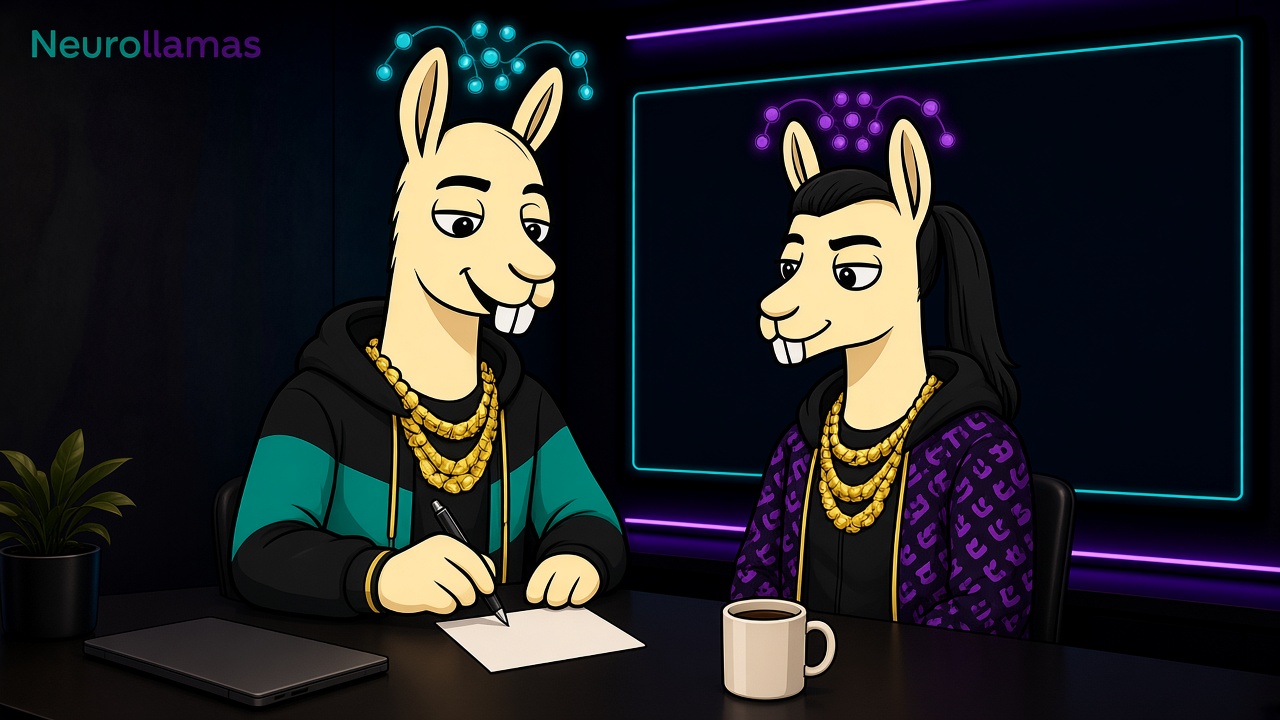
A brief that survives a model change is short. Put it on the brand profile so the next session does not invent a new shop.
- One SKU, named the way it is named on the page.
- One job for the clip: show the open, show the scale, show the color, or show it in a hand. Not all four.
- One reference still you have already approved. Not “a nice photo from the camera roll.”
- One face rule: the character on the character sheet, or no face. A random generated founder is a different company.
- One line of words you refuse: no fake review quotes, no “clinically proven,” no percent off that is not on the price list.
The brief article is the longer version of this card. If the card is blank, you are not ready for a cheaper model. You are ready to spend the savings on a mess.
Use the extra seconds on one action
Fifteen seconds is a budget, not a script. Spend it like this:
- Seconds 0 to 2: the product, large enough to recognize, label readable if the label is real.
- Seconds 2 to 8: one action. Pour, unfold, click, zip, set it on the table.
- Seconds 8 to 12: the detail people ask about in DMs. The seam, the scent note you can legally say, the size against a hand.
- Leave the last seconds unused if the action is over. End the file.
Do not add a second product “because we have time.” Do not pan to a lifestyle room you do not sell. Do not put a caption in the picture. Burned-in words fight the real caption and usually misspell the product. The Reel piece still holds: the clip has to be able to sell the same object the page sells.
Draft small. Watch it on a phone, not on the monitor you rendered it on. If you cannot name the SKU in two seconds, upscaling to 4K will only make a clearer mistake. Upscale the take you would post at 720p.
References are the whole trick
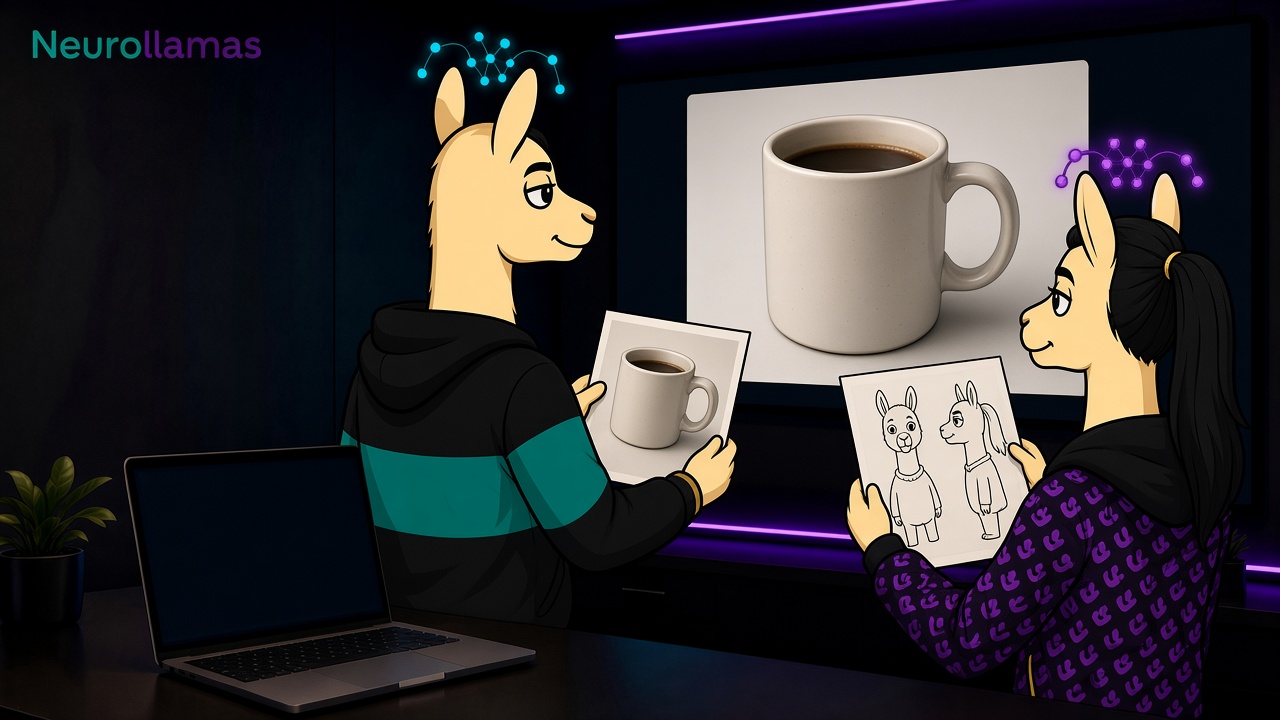
Models got better at obeying a reference. Shops got lazier about which reference they attach. Attach both:
- The product photo from the session you trust, the one in a one-session drop, not a screenshot of your own Reel.
- The character sheet panel if a person is in the frame. Crop to the body you mean. A collage of six poses makes the model average them into a seventh person.
Then look at the output beside the reference, not beside the prompt. Label shape, cap color, stitch, and the face. “Close enough” is how a shop starts selling a product it does not have. If the cap is the wrong color, say so in the next instruction and keep the same references. Do not start a new prompt from scratch and lose the parts that were right.
When you move the still into video, carry the approved still as the first frame. A fresh text prompt is allowed to restyle the bottle. A locked first frame is not.
Match the page before you match the trend
A clip that looks expensive and a page that looks like a different brand is a leak. Before you post, open the product page and the grid together, the check in page and Instagram. Same name, same price if you are stating one, same color, same thing in the box.
Then read the caption out loud. If it repeats a claim the model’s pictures suggested but your product does not do, delete the claim. Generated steam, generated glow, and generated “before and after” are the usual liars. The photo rules apply to frames pulled from video too.
Put the cut in Instagram UI next to the posts you already published. If the light jumped from your usual daylight to a nightclub because the model “made it cinematic,” reject the take. Cinematic is not your brand unless the brand profile says it is.
A week that uses the new length without becoming a demo
- Monday: one 8 to 12 second clip of the hero SKU, one action, references locked.
- Tuesday: the same clip’s best frame as a still, with the fact the video did not have time to say.
- Wednesday: Stories only, the detail crop, no new generation.
- Friday: if you are editing conversationally, one revised cut that fixes a real error, not a new concept.
That is four touches and one idea. Shops that hear “15 seconds and cheaper” often publish four ideas and call it a content system. It is a clearance rack. The SKU rule picks the object. The model only moves it.
Sound still needs a decision you can stand behind. Do not drop a trending track on a product you want people to reorder in March. A plain bed from Sound Lab, or no music, keeps the clip about the object. The audio article is the test: if you mute it, does the product still read?
What to ignore in the announcement
Ignore league tables of models. Ignore anyone who tells you the brand kit is obsolete because references “just work now.” Ignore a workflow that starts from a blank box and a vibe. The expensive part of product content was never only the second of video. It was knowing which second is allowed to represent the shop, and saying no to the rest.
When the next note drops, and it will, change the draft settings if you want. Keep the brief, the reference, the page, and the one action. A cheaper model is a better tool for a shop that already knows what it sells. It is a faster way to look confused for a shop that does not.